If your budget is around Tk 80,000, the Lenovo IdeaPad Slim 3 15IRH10 is the stronger overall pick right now. The ASUS VivoBook 15 R1502VA was also a good option in this range, but since it is currently out of stock in many local channels, the ASUS VivoBook 14 A1404VA Series 1 makes more sense as the practical ASUS alternative.
For regular Bangladeshi users, these laptops are mainly for office work, online classes, browsing, coding practice, freelancing, light Photoshop work, and heavy multitasking. Performance will not be the main problem because the Core i5 H-series processor and 16GB RAM configuration are already strong enough for everyday productivity. The real difference comes from the display, upgrade options, portability, stock availability, and overall long-term value.
Why the Lenovo IdeaPad Slim 3 looks stronger overall
The IdeaPad Slim 3 15IRH10 has several advantages that matter beyond raw processor performance. First, the display is better for productivity. Lenovo lists this model with a 15.3-inch WUXGA 1920x1200 IPS panel, 16:10 aspect ratio, 300 nits brightness, and anti-glare finish. That extra vertical space becomes genuinely useful for browsing, writing, spreadsheets, coding, research work, and document-heavy tasks. Compared with a regular Full HD display, it feels more spacious and modern.
Second, the platform itself is more future-ready. Lenovo’s official specifications show DDR5 memory support, expandable storage options with dual M.2 SSD capability depending on configuration, and better long-term upgrade flexibility. That matters for users planning to keep the laptop for several years.
Third, the laptop offers a stronger portability-and-endurance mix. The lineup includes USB-C with Power Delivery and DisplayPort support, better external monitor flexibility, and relatively lightweight construction considering the screen size. In simple terms, the Lenovo is the more balanced machine if you care about display quality, long-term usability, and overall platform refinement.
Why ASUS still makes sense for many buyers
The ASUS VivoBook lineup remains attractive because practical buying decisions matter more than specification sheets alone. Previously, the ASUS VivoBook 15 R1502VA was one of the strongest value picks around this range because it combined Intel Core i5 H-series performance with 16GB RAM and 512GB SSD storage at a competitive price. The VivoBook 14 series still keeps many practical features users want:
- 16GB RAM configurations
- 512GB SSD storage
- Full HD anti-glare display
- Portable and lightweight design
- Privacy shutter and modern connectivity
- Comfortable keyboard and daily usability focus
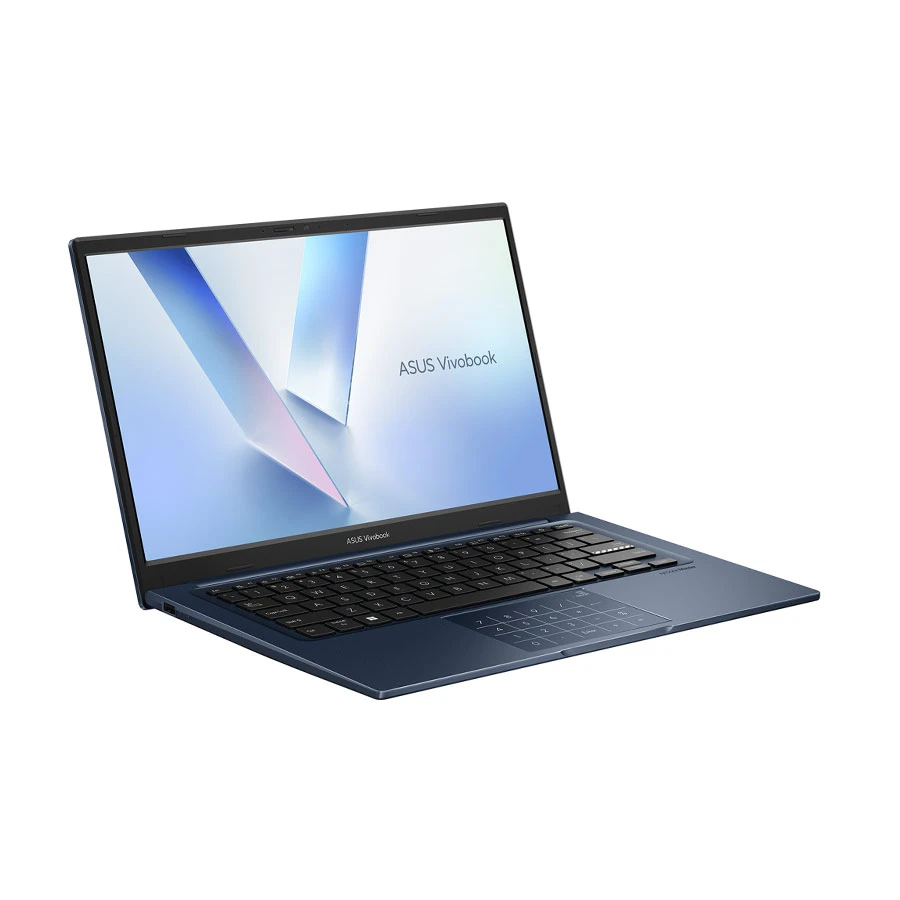
Asus VivoBook 14 A1404VA Series 1
Processor: Intel Core 5 120U
Display: 14" FHD LED Display
Resolution: 1920 × 1080
Memory: 16GB DDR5 RAM
Storage: 512GB SSD
Operating System: Windows 11 Home
+ WHY IT'S A SMART PICK
A strong productivity-focused laptop with Intel Core 5 performance, 16GB DDR5 RAM, fast SSD storage, and a lightweight 14-inch Full HD design suitable for students, office work, freelancing, coding, and everyday multitasking.
Tk 92,120
Tk 84,900
Special Price
Note: Price may vary over time, so please check the latest price before ordering.
For students, office users, freelancers, and general productivity work, the ASUS remains a dependable and straightforward option.
What the Tk 80,000 budget changes
This comparison becomes much easier once the budget moves closer to Tk 80,000. At the earlier Tk 70,000 range, ASUS had a stronger value advantage because Lenovo configurations often required budget stretching.
But near Tk 80,000, the Lenovo IdeaPad Slim 3 15IRH10 becomes significantly more attractive because buyers can realistically access the proper 16GB RAM and 512GB SSD configuration without compromise. That changes the recommendation balance considerably. So the decision now looks more like this:
- best overall productivity and long-term value near Tk 80,000: Lenovo IdeaPad Slim 3 15IRH10
- prefer ASUS ecosystem or need an alternative option: ASUS VivoBook 14 A1404VA Series 1
Which one is better for actual use?
For university work, office tasks, freelancing, coding, browsing with many tabs, Google Docs, Excel, Zoom, and content consumption, both are very capable. For long writing sessions, coding, spreadsheet work, and research-heavy productivity, the Lenovo feels better because of the taller 16:10 display and stronger overall platform. For portability and everyday simplicity, the ASUS VivoBook 14 remains appealing, especially for users who prefer a more compact laptop footprint.
For gaming, neither should be treated as a dedicated gaming laptop. These configurations rely mainly on integrated Intel graphics, which are fine for casual games, older titles, multimedia work, and general use, but not ideal for modern AAA gaming expectations.
What to verify before paying
This part matters because these laptops can appear in multiple regional configurations.
- Confirm the exact RAM and SSD configuration.
- Ask whether Windows is pre-installed or if the laptop ships with FreeDOS.
- Check whether the keyboard is backlit on the exact unit.
- Confirm warranty terms and whether the product is official local stock.
- Verify upgrade options if long-term usage matters to you.
Final verdict
If your budget is around Tk 80,000 and you want the better all-round laptop, the Lenovo IdeaPad Slim 3 15IRH10 is the smarter choice overall. The better display, newer DDR5 platform, stronger expansion options, and more flexible USB-C implementation make it the more complete machine.
For buyers looking for an ASUS alternative, especially since the ASUS VivoBook 15 R1502VA is currently out of stock, the ASUS VivoBook 14 A1404VA Series 1 is the recommended replacement option. That makes the decision simple:
- buy Lenovo for the stronger overall productivity experience
- buy ASUS VivoBook 14 if you prefer ASUS and want a dependable alternative option
Quick FAQ
Which laptop is better overall near Tk 80,000?
The Lenovo IdeaPad Slim 3 15IRH10 is the stronger overall package because of the better display, newer platform, and stronger upgrade flexibility.
Is 16GB RAM enough in 2026?
Yes. For productivity, multitasking, study, office work, coding, browsing, and light creative workloads, 16GB remains the ideal target for most users.
Which one feels better for study and productivity?
Lenovo, mainly because of the 15.3-inch 16:10 WUXGA display and the newer DDR5 platform.
What should ASUS buyers choose instead of the VivoBook 15 R1502VA?
Since the ASUS VivoBook 15 R1502VA is currently out of stock, the ASUS VivoBook 14 A1404VA Series 1 is the recommended alternative.







Leave a comment