If your phone needs to handle a full day of calls, social media, photos, streaming, and occasional gaming, you do not necessarily need to spend more than BDT 30,000. Vivo's current lineup in this range includes models with large batteries, 90Hz or 120Hz displays, 50MP cameras, 6GB RAM, and fast charging.
However, the differences between these phones are important. Some prioritize battery endurance, while others offer better storage, camera hardware, or charging speed. This guide compares the top five Vivo phones under TK 30000, so you can match the phone to your actual usage rather than choosing only by price or megapixels.
Top 5 Vivo Phones Under BDT 30,000
- Vivo Y31d 6GB/128GB
- Vivo Y21d 6GB/128GB
- Vivo Y11d 4GB/128GB
- Vivo Y05 4GB/128GB
- Vivo Y05e 4GB/64GB
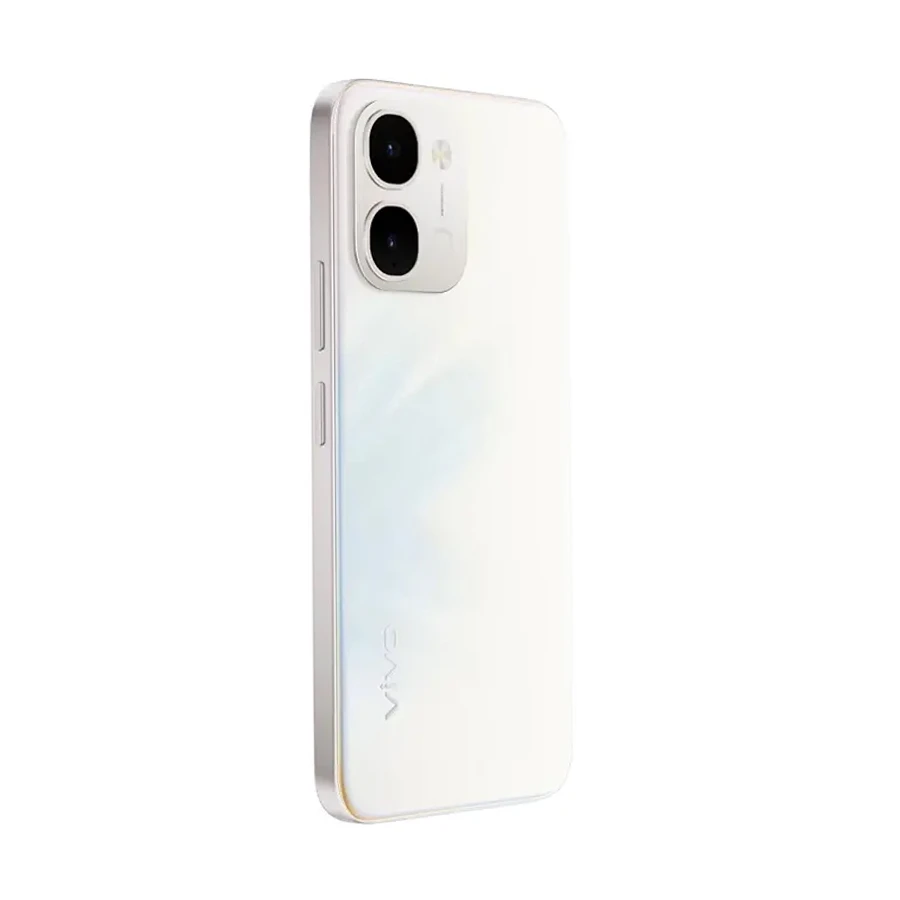
1. Vivo Y31d 6GB/128GB — Best for Battery Life and Durability
The Vivo Y31d would be a great choice for users who want a phone that can handle long days and tougher everyday conditions. Its strong water and dust protection makes it more reassuring for outdoor use, while the bypass charging feature can help reduce heat during supported gaming sessions.
The stereo speakers and game-focused features also make it more suitable for users who watch videos or play games regularly. If durability and long-term everyday usability matter more than having an AMOLED display or 5G, the Y31d is worth considering.
Price & Spec Note:
Price and specifications may change based on stock, current offers, product variants, and manufacturer updates.
Good Sides
- UFS 2.2 storage
- Strong dust and water protection
- Long battery life
Drawbacks
- HD+ LCD instead of AMOLED
- 4G connectivity only
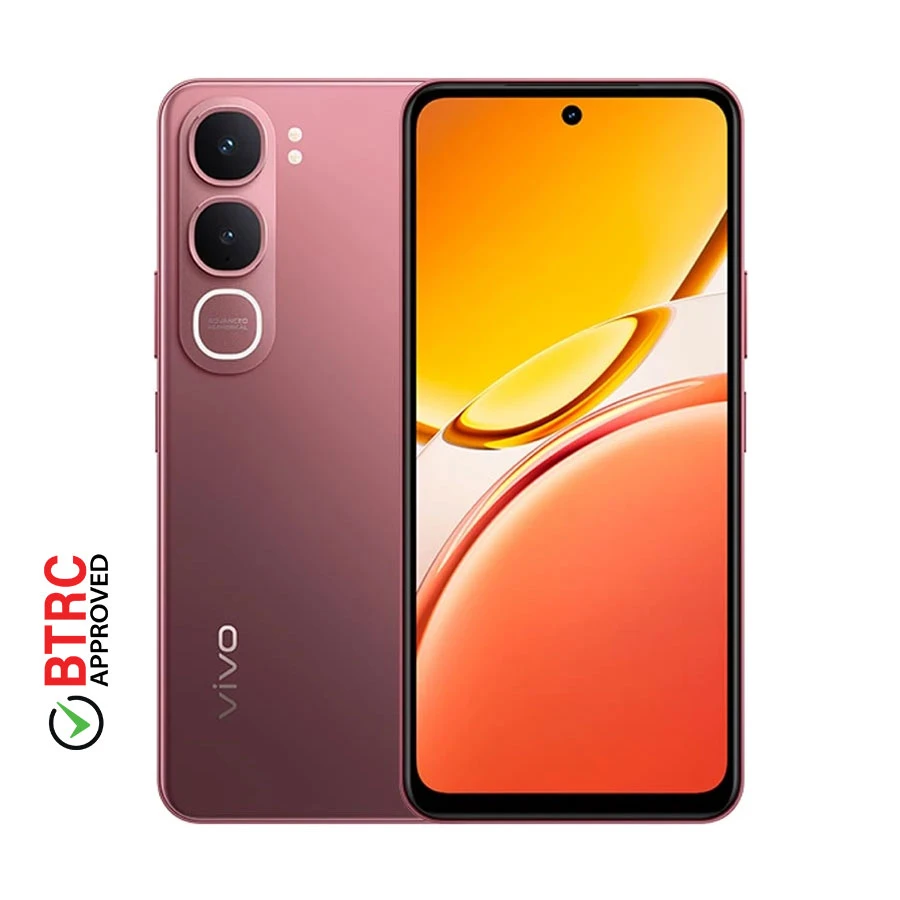
2. Vivo Y21d 6GB/128GB — Best for Fast Charging and Everyday Multitasking
The Vivo Y21d is a practical option for users who want a balanced phone without spending much. Its expandable storage support is useful if you regularly keep photos, videos, or offline content on your phone.
Additionally, the side-mounted fingerprint sensor makes everyday unlocking quick and convenient. The phone also has IP68 and IP69 protection, giving it an advantage for users who want extra protection against water and dust. It is a better fit for general use than demanding gaming.
Price & Spec Note:
Price and specifications may change based on stock, current offers, product variants, and manufacturer updates.
Good Sides
- Expandable storage support
- Side-mounted fingerprint sensor
- Underwater photography support
Drawbacks
- eMMC 5.1 storage
- HD+ display
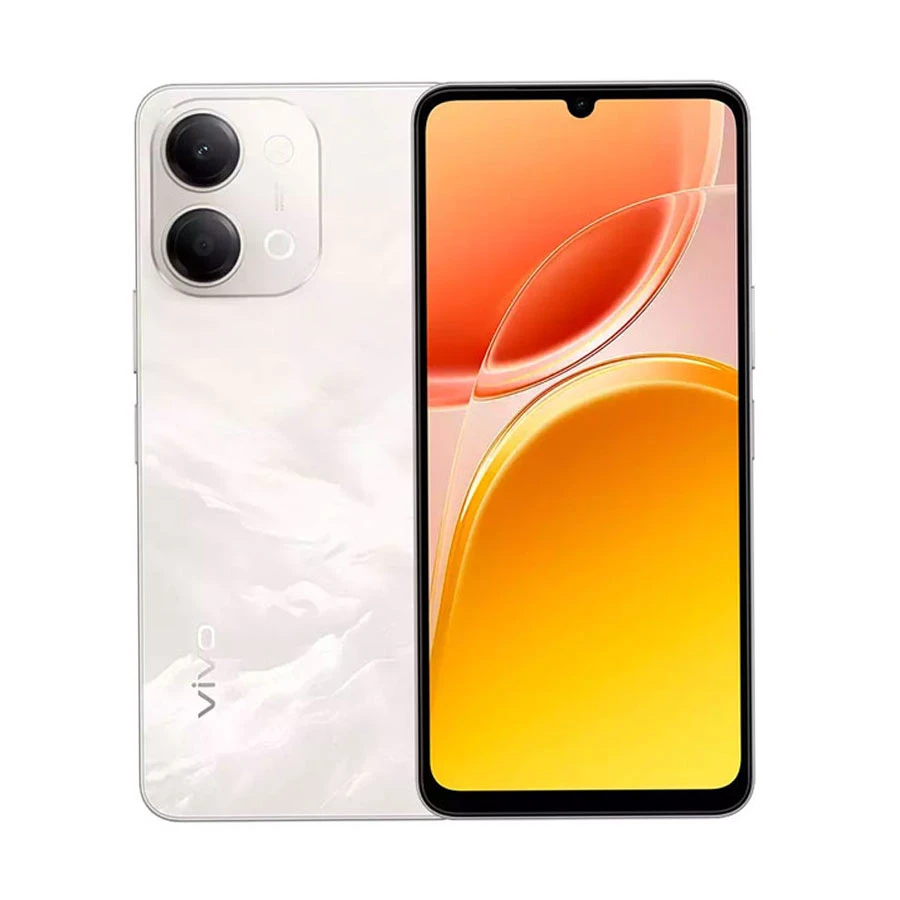
3. Vivo Y11d 4GB/128GB — Best for Smooth Scrolling and Everyday Photography
This model is a good match for users who spend a lot of time scrolling social media, browsing websites, and watching content. Its high-refresh-rate display makes everyday navigation feel smoother, while the IP65 protection provides safety against dust and water exposure.
The phone also supports expandable storage, which is useful if 128GB starts becoming limiting over time. Therefore, the 50MP main camera is another reason to consider it over the lower-priced Y05 models. However, 4GB physical RAM means you should not expect the same multitasking headroom as a 6GB phone.
Price & Spec Note:
Price and specifications may change based on stock, current offers, product variants, and manufacturer updates.
Good Sides
- Dust and water resistance
- Expandable storage support
- Smooth 120Hz experience
- Side-mounted fingerprint sensor
Drawbacks
- Only 4GB RAM
- eMMC storage
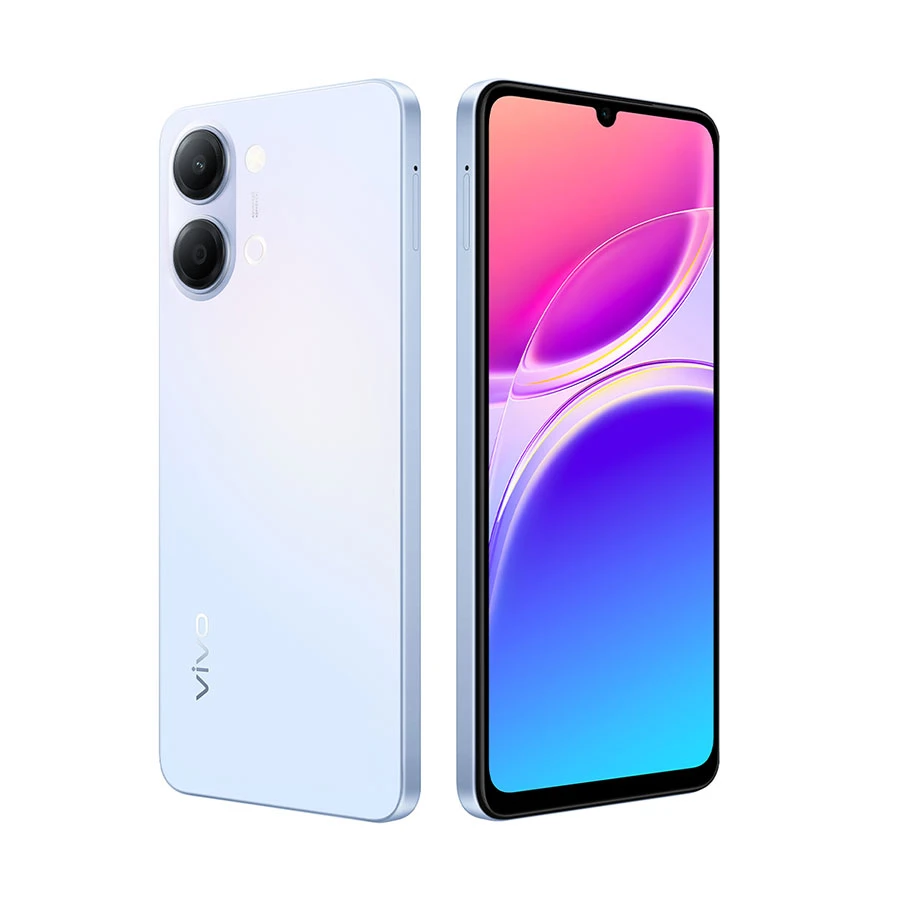
4. Vivo Y05 4GB/128GB — Best for Battery Life on a Budget
The Vivo Y05 128GB is suitable for buyers who have a tight budget, but still want useful everyday features. Its anti-drop design and dust/water resistance make it more practical for users who want some extra protection in daily use.
The large display and smooth scrolling experience also suit social media, browsing, and video consumption. It is particularly interesting if battery endurance and durability matter more to you than camera performance.
Price & Spec Note:
Price and specifications may change based on stock, current offers, product variants, and manufacturer updates.
Good Sides
- Anti-drop design
- IP65 dust and water resistance
- Smooth 120Hz display
Drawbacks
- Basic 8MP camera
- Only 4GB RAM
5. Vivo Y05e 4GB/64GB — Best for Basic Everyday Use
The Vivo Y05e is designed for buyers who mainly need a phone for calls, messaging, social media, browsing, and video streaming. Its anti-drop design and IP64 protection add some useful everyday protection, which is valuable for users who are more concerned about basic durability than advanced camera or gaming features.
The phone also keeps the experience simple, making it suitable for lighter users who do not store large amounts of content locally. However, users with lots of photos, videos, or large apps should consider moving up to a 128GB model.
Price & Spec Note:
Price and specifications may change based on stock, current offers, product variants, and manufacturer updates.
Good Sides
- Lowest price in the list
- Lightweight compared with the other models
- Anti-drop design
Drawbacks
- Only 64GB storage
- Slower 15W charging
Sub-30000 Vivo Smartphone Buying Guide: What Specs to Look For
Camera Systems: Aura Light, OIS, and Low-Light Night Photography
A higher megapixel count does not automatically mean better photos. If you frequently take portraits or low-light night photography, check for features such as OIS, better image processing, and Vivo's Aura Light Portrait system.
Aura Light is designed to provide additional illumination for portrait shots in darker environments. OIS can also help reduce camera movement when taking photos or recording video. However, these features are model-dependent, so check the exact specification before paying extra.
Processor & Gaming: Multitasking with Dimensity & Snapdragon Chips
For gaming, do not select a phone based only on whether it uses Snapdragon or MediaTek Dimensity. The specific chipset, GPU, RAM, cooling, and display all affect gaming performance.
The Y31d uses Snapdragon 6s Gen 2 4G, while the other four phones use the Unisoc T7225. These phones are better suited to everyday gaming than demanding high-end gaming. If gaming is a major priority, spending more on a stronger chipset can make more sense than paying for camera features you rarely use.
Battery & Charging: FlashCharge Speeds for Fast Top-Ups
Battery capacity is particularly important in Bangladesh if you commute, use mobile data outdoors, or spend long hours watching videos. The current models range from 5150mAh to 7200mAh.
A 44W FlashCharge model is also more convenient when you need a quick top-up during the day. On the other hand, the Y05e's 15W charging is acceptable if you usually charge overnight.
For storage, 6GB RAM provides more multitasking room than 4GB. Some Vivo phones also offer 8GB + 8GB Extended RAM. But extended RAM uses internal storage and should not be treated as equivalent to 8GB physical RAM. Likewise, 256GB UFS 2.2 storage is useful for users who keep large amounts of media, but 128GB can be sufficient for lighter users.
For displays, a 120Hz FHD+ AMOLED or 3D Curved Screen can offer a more premium experience and better outdoor viewing than basic LCD panels. However, none of the five current Ryan's options above offer those exact display specifications, so do not assume they are included simply because you are shopping in this price range.
Final Verdict
So, finally, your choice should depend on what you want to improve most. For most buyers, the Vivo Y31d is the strongest overall choice for its battery endurance, durability, and UFS 2.2 storage. If you want more RAM, faster charging, and a capable camera at a lower price, the Vivo Y21d is a practical alternative. For budget-conscious users, the Vivo Y11d offers a 120Hz display, 50MP camera, and large battery, making it a well-rounded option for everyday use.
Before ordering, check the latest Vivo Mobile and Smartphone listings for the exact variant, price, and availability.
Frequently Asked Questions
What is Vivo's Aura Light Portrait feature, and how does it improve low-light photo shots?
Aura Light Portrait adds dedicated illumination around the camera area to help brighten portrait subjects in darker surroundings. It can be useful for low-light portraits, but availability depends on the specific Vivo model.
Are Vivo T-series and Y-series smartphones better suited for gaming or everyday multi-app multitasking?
The series name alone does not determine performance. For gaming, compare the exact chipset, GPU, RAM, display, and thermal design. For everyday multitasking, RAM, storage, battery capacity, and software optimization are more important. However, this list is mainly made up of Y-series models.







Leave a comment